
Hiring the right Shopify web designer can make a big difference in how your online store looks, works, and sells. Shopify is a strong ecommerce platform, but a successful store needs more than a basic theme and product uploads.
Your store should be easy to browse, fast to load, simple to buy from, and trustworthy. A good Shopify website should help customers find products, understand details, and complete checkout without confusion.
If you need help building a complete Shopify store, explore our Shopify development service.
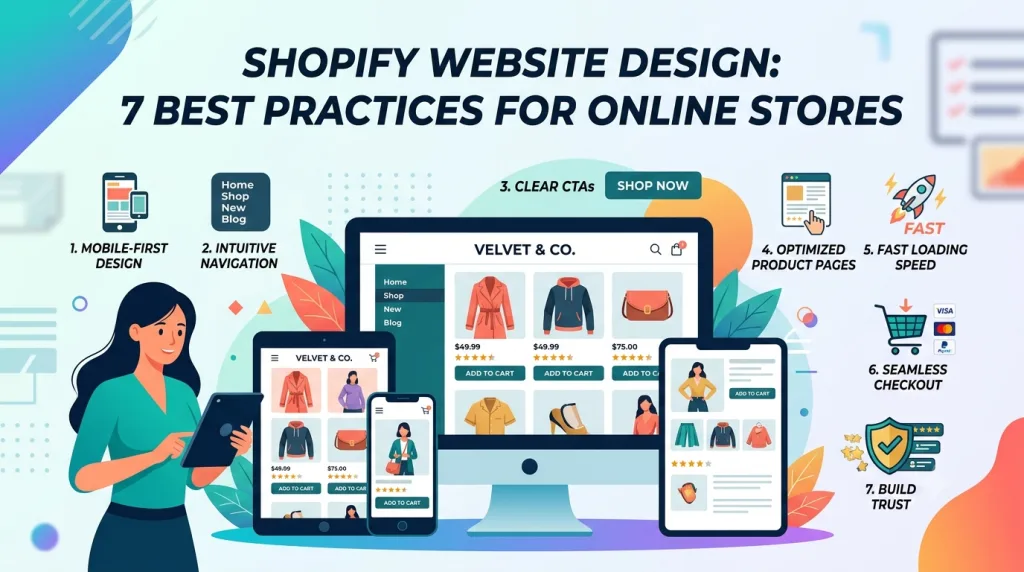
For store layout and page structure, read our Shopify website design best practices guide.
Why Choosing the Right Shopify Web Designer Matters
Ecommerce design is different from regular website design. A business website may focus on leads and contact forms, but an online store needs to support product discovery, product comparison, cart flow, checkout, shipping details, and customer trust.
The right Shopify web designer should understand both design and buying behavior. The goal is not only to make the store look attractive. The goal is to make shopping easier.
A strong Shopify store should have:
- Clean homepage design
- Clear product pages
- Easy navigation
- Fast loading speed
- Mobile-friendly shopping
- Strong product images
- Trust signals
- Simple checkout flow
- SEO-friendly structure
When these parts work together, your store has a better chance of converting visitors into customers.
Start With Your Ecommerce Goals
Before hiring a Shopify web designer, define what you need.
Are you launching a new store? Redesigning an existing Shopify website? Moving from another platform? Improving product pages? Trying to increase conversions? Building a brand-focused online store?
Your goals affect the design. A fashion store may need strong visuals and collection filters. A beauty store may need product education and reviews. A furniture store may need detailed product specs and high-quality images.
A good designer will ask about your products, audience, pricing, brand style, and sales goals before starting.
Check Their Shopify Portfolio
Review the designer’s previous Shopify store design work. A portfolio shows whether they understand ecommerce layouts and product-focused design.
Look for:
- Clean product pages
- Organized collections
- Mobile-friendly layouts
- Clear add-to-cart buttons
- Simple navigation
- Good product image display
- Trust-building sections
- Fast page experience
- Strong brand presentation
Do not only look at homepage design. Product pages and collection pages are just as important because that is where buying decisions happen.
Product Pages Are the Heart of the Store
Product pages need special attention. A customer should quickly understand what the product is, why it is useful, what options are available, and how to buy it.
A strong Shopify product page may include:
- Clear product title
- High-quality images
- Product description
- Price
- Variants
- Size guide or specifications
- Reviews
- Shipping information
- Return policy
- FAQ section
- Related products
- Add-to-cart button
A professional Shopify web designer should know how to arrange these elements so the page feels clear and easy to use.
Mobile Shopping Must Be Smooth
Good ecommerce design starts with clear website design, simple navigation, and mobile-friendly layouts.
Many ecommerce customers shop from phones. If your Shopify store is hard to use on mobile, you can lose sales quickly.
Mobile-friendly Shopify website design includes:
- Fast loading pages
- Easy-to-tap buttons
- Clear product images
- Simple menus
- Readable descriptions
- Smooth cart experience
- Easy checkout path
- Proper spacing
A good Shopify web designer should test the store on mobile before launch. A store that only works well on desktop is not enough.
Store Speed Affects Sales
Slow ecommerce websites can hurt conversions. Customers do not want to wait for product pages or checkout screens to load.
Speed can be affected by:
- Large images
- Too many apps
- Heavy theme code
- Unused scripts
- Large video files
- Poorly optimized sections
A strong Shopify web designer should build with speed in mind. They should optimize images, avoid unnecessary apps, and keep the store clean.
SEO Matters for Shopify Stores
A Shopify store also needs an SEO foundation so product pages and collection pages can appear in search results.
You can also review Shopify’s official ecommerce platform information on the Shopify website.
Shopify stores can rank in search engines, but they need proper structure. Ecommerce SEO helps product and collection pages appear for relevant searches.
An SEO-friendly Shopify store should include:
- Optimized product titles
- Meta titles and descriptions
- Collection page content
- Image alt text
- Clean URLs
- Internal links
- Blog content
- Fast loading speed
- Mobile-friendly design
- Helpful product descriptions
A good Shopify web designer should understand ecommerce SEO basics. If SEO is ignored during design, the store may depend too much on paid ads.
Navigation Should Be Simple
Customers should find products quickly. If navigation is confusing, they may leave.
A Shopify store may need navigation by:
- Product category
- Collection
- Size
- Style
- Brand
- Use case
- Price range
- Best sellers
- New arrivals
The best structure depends on your products. A professional Shopify designer should help organize your store in a way that feels natural to shoppers.
Trust Signals Help Customers Buy
People need confidence before buying from an online store. Trust signals reduce doubt and make customers more comfortable.
Important trust elements include:
- Customer reviews
- Secure checkout message
- Shipping policy
- Return policy
- Contact information
- About brand section
- Real product images
- FAQs
- Payment icons
- Customer support options
A conversion-focused Shopify store should place these elements where customers need them.
Be Careful With Shopify Apps
Shopify apps can add useful features, but too many apps can slow the store and create problems. Every app should have a purpose.
Useful apps may include:
- Reviews
- Email marketing
- Upsells
- Subscriptions
- Product filters
- Analytics
- Live chat
- Shipping tools
A good Shopify web designer or Shopify expert should recommend apps carefully. The goal is not to install everything. The goal is to keep the store fast, useful, and easy to manage.
Conversion-Focused Design Is Important
A Shopify store should guide people toward purchase. Conversion-focused ecommerce website design looks at how shoppers move from homepage to product page to cart to checkout.
Important conversion elements include:
- Clear homepage message
- Strong product images
- Simple add-to-cart flow
- Product recommendations
- Reviews
- Trust badges
- Clear policies
- Easy checkout
- Mobile-friendly design
- Email capture
A nice-looking store is good, but a store that helps customers buy is better.
Shopify Designer vs Shopify Developer
A Shopify web designer usually focuses on layout, branding, product presentation, and user experience. A Shopify developer focuses more on code, custom theme work, app integrations, and advanced functionality.
Some professionals do both. If you need a simple store setup, a designer may be enough. If you need custom features, advanced filters, special product logic, or custom checkout-related work, you may need Shopify development support.
Questions to Ask Before Hiring
Before hiring a Shopify web designer, ask:
- Have you designed Shopify stores before?
- Will the store be mobile-friendly?
- Will product pages be conversion-focused?
- Will SEO basics be included?
- Will you optimize store speed?
- Will you help organize products and collections?
- Will you recommend apps carefully?
- Will I be able to manage products later?
- Do you provide support after launch?
- Can the store grow as my business grows?
These questions help you choose someone who understands ecommerce, not just design.
Common Mistakes to Avoid
Many store owners make mistakes that affect sales.
Common Shopify mistakes include:
- Using too many apps
- Poor mobile design
- Weak product descriptions
- Low-quality images
- Confusing navigation
- Missing reviews
- No shipping information
- Slow loading pages
- Weak calls-to-action
- No SEO setup
A professional Shopify web designer should help you avoid these problems.
Final Thoughts
Choosing the right Shopify web designer can help your online store look professional, work smoothly, and support more sales. A strong Shopify store should be fast, mobile-friendly, easy to shop, and built with conversion in mind.
Skyroots Digital creates Shopify stores for businesses that need clean design, better user experience, and stronger ecommerce foundations.
If you are ready to build or improve your Shopify store, contact Skyroots Digital to start your project.
Ready to build a better Shopify store? Contact Skyroots Digital to plan your project.
FAQs
What does a Shopify web designer do?
A Shopify web designer designs and structures Shopify stores. They work on homepage layout, product pages, collection pages, mobile design, branding, navigation, and conversion-focused sections.
Is Shopify good for ecommerce websites?
Yes, Shopify is a strong platform for ecommerce websites because it supports products, collections, payments, checkout, inventory, shipping tools, and app integrations.
How much does a Shopify web designer cost?
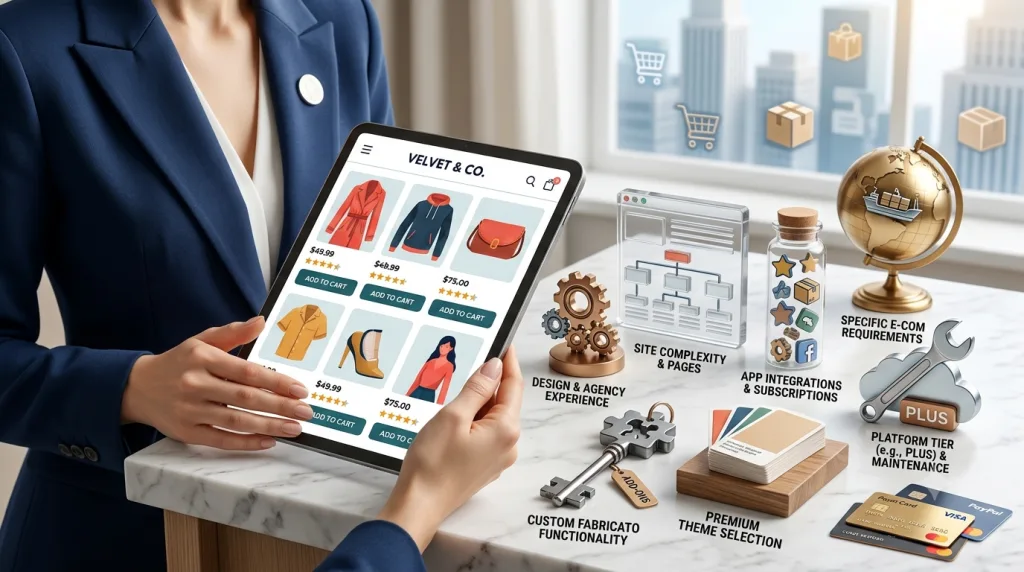
The cost depends on the size of the store, number of products, design needs, custom sections, apps, SEO setup, and whether the store uses a theme or custom Shopify development.
What makes a Shopify store successful?
A successful Shopify store usually has clean design, fast loading speed, strong product pages, simple navigation, trust signals, mobile-friendly layout, and a smooth checkout experience.
Do Shopify stores need SEO?
Yes, Shopify stores need SEO if they want organic traffic from search engines. Product pages, collection pages, image alt text, meta titles, descriptions, internal links, and useful content all matter.
Should I hire a Shopify designer or developer?
Hire a Shopify designer if you need layout, branding, and store design. Hire a Shopify developer if you need custom code, advanced functionality, integrations, or complex store features.